Arkansas Flooring Licensing: What the $2,000 Line Means
Arkansas licenses floor covering by name, and the trigger is a dollar figure rather than a trade. Above two thousand dollars your installer is supposed to hold a card, and checking it takes about a minute.
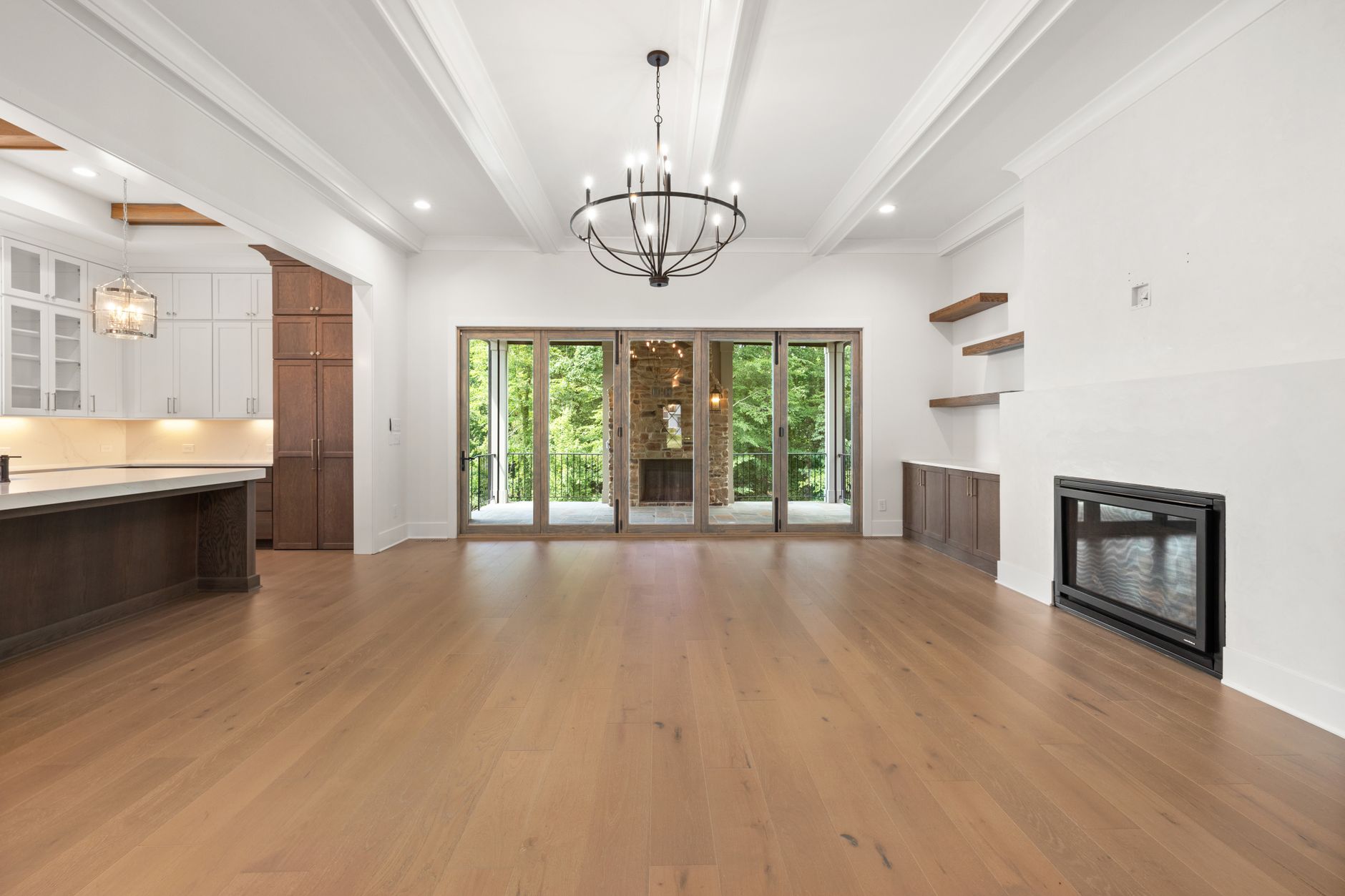
Floor covering is a named specialty
The Arkansas Contractors Licensing Board runs a Home Improvement license for specialty work on
single-family homes, and the list of specialties on the application includes Floors, Floor
Covering as an item in its own right. This is not a case of reading flooring into a
general construction definition — the board names it.
The threshold is the part worth memorizing. A Home Improvement license is required once a
residential job exceeds $2,000, including both labor and materials. That is a low
bar for flooring. A single room of mid-range hardwood clears it, so most real jobs are on the
licensed side of the line and only small repairs fall below it.
Which license, at which size
| Job value (labor and materials) | What the installer needs |
|---|---|
| Up to $2,000 | No state contractor license required |
| Over $2,000, under $50,000 | Home Improvement license — “Limited” is capped at this range |
| $50,000 and above | Commercial licensing law applies, to prime contractors and subcontractors alike |
Residential work sits under the Residential Contractors Licensing Act at Ark. Code Ann.
§ 17-25-501 and following; the board’s separate bond law runs from § 17-25-401. A specialty
is only added to a license if the applicant showed the board evidence of past work in that
specialty, so a card carrying “Floors, Floor Covering” means someone reviewed flooring
references, not just a fee.
Checking it takes about a minute
- Ask for the license number in writing. An installer who works above $2,000 routinely will hand
it over without hesitating. - Run it through the board’s Find A Licensed Contractor lookup.
- Read three fields: status, expiry, and whether the specialty list actually includes floors.
- Check that the business name on the license matches the name on your quote.
The last one catches more than the others combined. A number belonging to a related company, or
to a person who no longer works there, is not your contractor’s license.
What the license does not tell you
It is a floor, not a ceiling. The board confirms that a business applied, showed experience and
carries the bond the statute requires. It does not inspect your job, and it certifies nothing about
whether anyone understands how a board behaves in an Arkansas summer.
Which is why the numbers on the quote are worth more to you than the classification code. Ask
what the slab read and what the boards read. An installer who measured both has told you something
a license never could — and in a state where the answer differs between a
Pine Bluff house from the early seventies and a
Bentonville build from 2007, that measurement is the whole
conversation. What subfloor prep actually involves here.
Two things a license is often confused with
A bond is not a warranty. It exists so there is something to claim against when
a contractor does not satisfy an order. It is not a promise that the work will be good.
A city permit is a separate question. Floor covering on its own rarely needs
one, but if your job touches structure, moves a wall or changes a bathroom, that is a permit
conversation with your city regardless of who is licensed.
When you are comparing bids, what a complete Arkansas quote
should itemize is the more useful checklist.
A note on this site
ARFloors holds no Arkansas contractor license and publishes no license number, because it does
not install floors and does not arrange installation. We publish cost information and a
calculator. If a page here ever reads as though it is
quoting for work, that is a mistake worth reporting.